

Why LAC
What sets LAC apart is unmatched expertise across the full modernization journey: a proven methodology for taking your registry from where it is today to where it needs to be.

how we work
Why custom builds keep failing
Most registry modernization projects fail the same way. A system integrator documents your requirements and promises a solution in two to three years. The problems surface later: when the requirements were wrong, when legislation changed, when course-correction costs millions.
LAC works differently. Our platform is already built, and you can test-drive it before signing a contract. Errors surface early. Evolution is a configuration change, not a new procurement. For a global integrator, your registry is one project among thousands. For us, it’s the only thing we do, and have done as a team for more than twenty years.
our approach
We deliver operating models, not just software
A modern land registry is built by transforming the legislation, workflows, and processes the platform has to support. Software is the tool. The operating model is the outcome.
Every LAC engagement delivers four things: institutional sustainability, operational efficiency, legislative alignment, and the capacity for your team to operate and evolve the system independently.
The outcome is a registry your jurisdiction owns and can keep building on, with or without us.

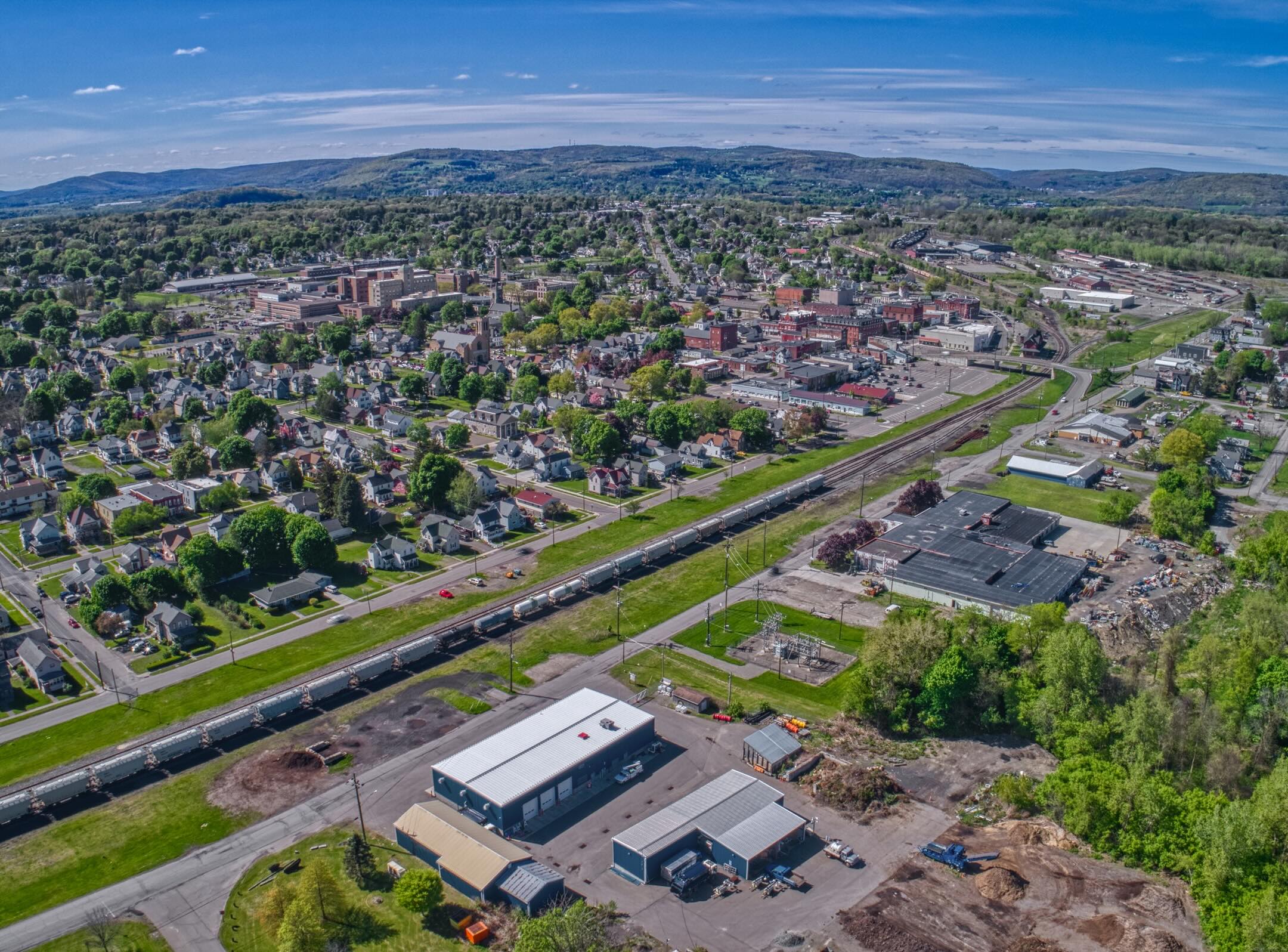
Modernizing a live land registry is like fixing an airplane in flight.
The registry can’t stop. Every parcel, every charge, every dealing must remain legally valid while everything underneath it changes. Over twenty years of deliveries, our team learned, sometimes the hard way, what makes that survivable, and wrote it down. Business Solution Engineering is that method: a formalized, staged discipline for taking a live registry from where it is to where it needs to be. It’s the difference between us and a systems integrator with a project plan. In open, competitive public procurements, LAC has been selected over the world’s largest systems integrators.
Our Team
The people behind the work
The company is eight years old. The team behind it has been modernizing the world’s registries for more than twenty.
LAC’s engineers built the systems behind the world’s most advanced registries. LAC’s registry leaders ran them, as registrars, deputy registrars, and operational heads of national and provincial land registries. We know the destination and the journey, because we have led both.
Craig D. Johnston
Chief Operating Officer
As BC’s Director of Land Titles, a vice-president post, Craig ran one of the most highly automated land title registries in the world through its paper-to-digital transformation: as statutory decision-maker for land title practice, as operational leader of up to 120 staff, and as the executive accountable for a fee-funded operation with annual revenue of $25 to $30 million. He also oversaw the registration of treaty lands for three treaty First Nations, experience LAC draws on today.
Alasdair Lewis
Law and Practice Advisor
Former Deputy Chief Land Registrar at HM Land Registry and past President of the European Land Registry Association, Alasdair spent his career working with ministers and senior officials on the legal machinery of land registration, in the UK and globally.
Steve Smith
Chief Technology Officer
Steve spent 22 years at MDA building land and property information systems, rising from systems engineer to divisional CTO. He was Program Director for the LTSA Business Transformation Initiative, the three-year build of British Columbia’s next-generation land title system, including its rules-based automated decision-making. He subsequently led the delivery of ParcelMap BC, the award-winning digital parcel fabric for British Columbia. Steve led the technical solution for the pursuit of New Zealand’s next-generation registry, which resulted in a sole-source selection. Steve is the chief architect of the LAVA platform.
Jun Yang
Senior Solutions Engineer
Jun spent more than 28 years at MDA as a software, systems, and solutions engineer, earning the company’s Fellow designation, its most senior technical recognition. She was instrumental in delivering ParcelMap BC, the award-winning digital parcel fabric for British Columbia, and was the primary solution architect for the geospatial components of New Zealand’s next-generation land registry. At LAC, she leads solutions engineering for the geospatial components of the company’s most complex national registry implementation.

our expertise
We work across the full ecosystem
Land administration is an ecosystem of layers. At its base is the geospatial object: a plan or plot of land. Overlaid on that is the land registry, governed by legislation such as deeds and titles. Valuation is overlaid on the registry, and taxation on valuation.
Each layer has its own unique operations, but all are connected. LAC understands, and works across, the whole.
Evolution of Land Registry
The evolution of land registry, built into everything we do.
Land registry has been evolving for centuries: from paper ledgers to relational databases, digital cadastres, and now AI-assisted automation. Each era built on what came before, and most jurisdictions are still somewhere in the middle of that journey, navigating between legacy systems and what the modern world demands.
LAVA is built with the full arc of that evolution in mind. Every capability reflects decades of accumulated understanding of how registries work at every stage, where they break down, and what it genuinely takes to move them forward without disrupting the living legal systems an entire economy depends on.
Legislation
Land registry begins with law. From foundational land acts to digital-first legislation enabling automated registration, smart contracts, and AI-assisted decisioning, the legal framework defines what a registry can do. Our solutions adapt to yours.
Surveys / Maps / Plans
From metes-and-bounds descriptions and hand-drawn plans to survey-aware digital cadastres, spatial records have transformed. Our solutions include purpose-built integrated mapping and work natively with leading GIS platforms, including Esri ArcGIS.
Official Permanent Record
The permanent record is the heart of a registry: the single authoritative account of who holds what. It has moved from paper ledgers and microfiche to mainframes to relational databases. The next step, blockchain-secured records, is built in and ready when you are.
Collection of Fees, Duties + Taxes
Registries are revenue systems, and every transaction carries fees, duties, or taxes that must be calculated, collected, and accounted for. From cash and stamps to cheques to EFT, collection has modernized step by step. Our solutions support it all, through to smart-contract settlement.
Input / Output
A registry runs on what comes in and what goes out: documents lodged, and titles, certificates, and search results issued. Paper-delivered submissions gave way to electronic submissions and web forms. Our solutions support every channel you use today.
Identity Verification
Trust in a registry rests on knowing who is transacting. For centuries, that meant physically witnessed identification. Digital certificates extended it. Today, full digital ID makes verification stronger, faster, and auditable, built into the transaction itself.
Decisioning Process
Every registration is a legal decision. For centuries, each one passed through a human registrar. Today, our configurable rules engine, augmented by AI, adjudicates routine transactions in seconds and escalates the ones that need human judgment.
Deployments
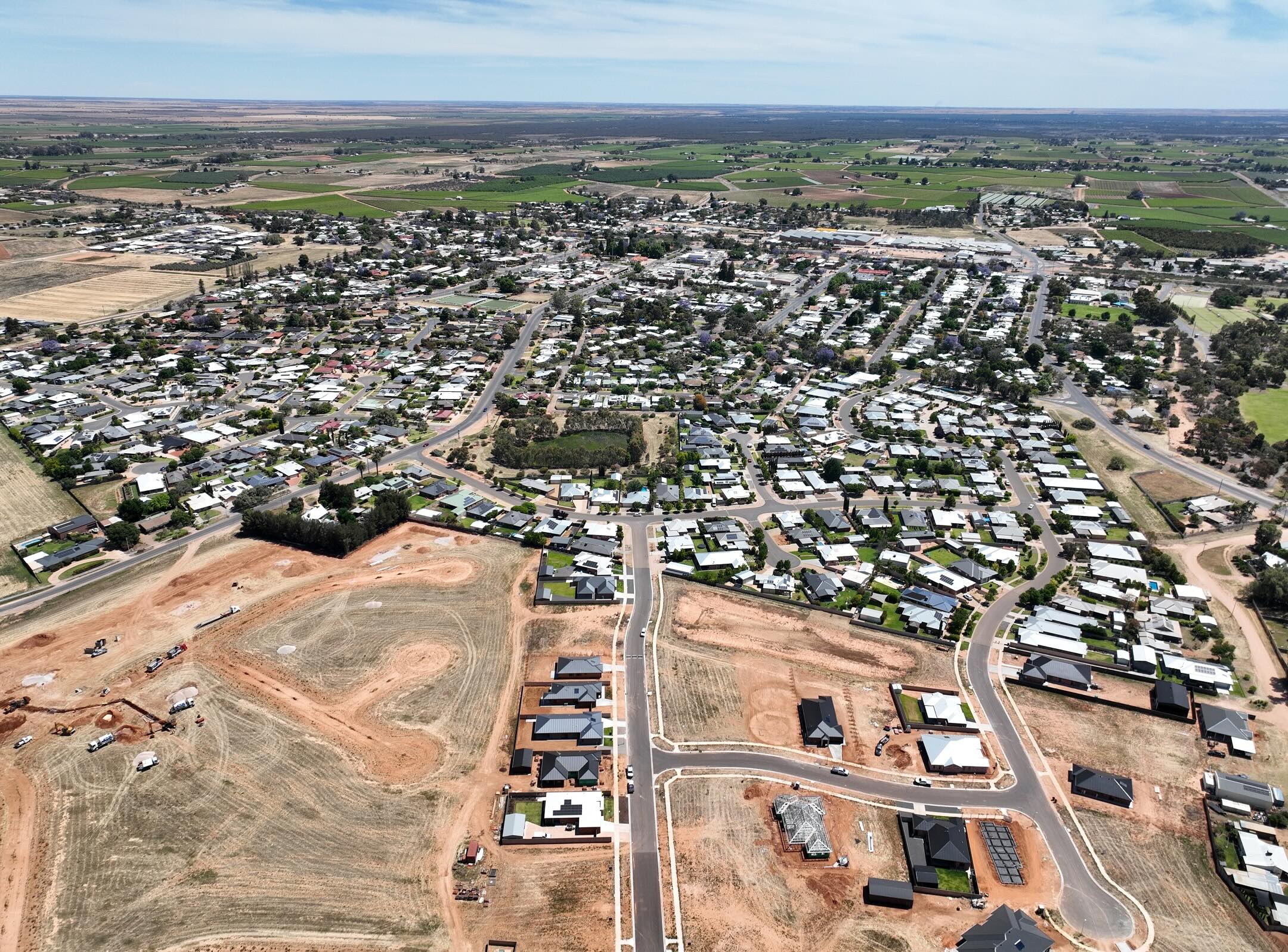
The proof is in the field
Understanding the journey is one thing. Delivering it is another. LAVA is live and operational in some of the world’s most complex land administration environments. See the work for yourself.
Get in touch
You’ve seen how we work. The next step is a conversation about your registry, your framework, and your journey. Contact us to learn more about what LAC will unlock for you.
Contact Us